

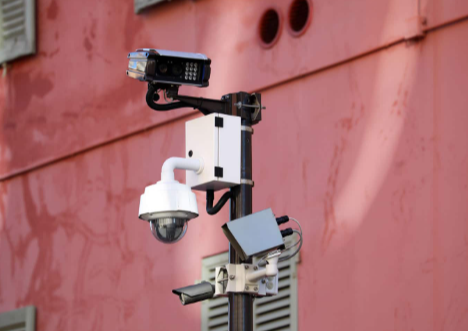
Security camera technology has changed dramatically over the past decade, but many homes and businesses are still running old analog systems that record grainy footage to aging DVRs. If you are planning an upgrade, the first decision is choosing between analog and IP cameras. For anyone researching Jacksonville security camera installation, understanding that difference will help you compare quotes and avoid paying for a system that is outdated the day it goes in.
It also helps to talk with a local installer who can walk the property and explain the tradeoffs in person. HD Cameras USA Jacksonville, located on Chester Avenue, is one of the regional teams that handles both residential and commercial upgrades in Northeast Florida. Here is a straightforward breakdown of the technology.
How analog cameras work
Analog CCTV cameras send a video signal over coaxial cable to a digital video recorder (DVR), which converts and stores the footage. These systems were the standard for years and are still sold in low cost kits. Their biggest limitation is resolution: older analog cameras record at standard definition or 720p, which makes it hard to identify faces or license plates once you zoom in.
How IP cameras work
IP (internet protocol) cameras process video inside the camera itself and send it as digital data over network cable to a network video recorder (NVR). A single network cable can carry both data and power through Power over Ethernet, which simplifies installation. IP cameras commonly record at 4 to 5 megapixels or higher, delivering far sharper images than analog models.
Key differences at a glance
- Image quality: IP cameras offer much higher resolution and better digital zoom.
- Cabling: IP uses network cable with power built in, while analog needs separate power runs.
- Smart features: IP systems support motion zones, person detection, and phone alerts.
- Remote access: IP systems are designed for secure viewing from mobile apps.
- Scalability: Adding cameras to an IP network is usually easier.
- Cost: Analog kits are cheaper upfront, but IP systems deliver more value over time.
Storage and retention
Both systems store footage locally, but NVRs used with IP cameras typically support larger drives and smarter recording. Depending on camera count and drive size, a system can retain anywhere from 30 days to 12 months of footage. Recording only when motion is detected extends that further.
Built for Florida weather
Jacksonville’s humidity, coastal air, and storm season are tough on outdoor equipment. Look for exterior cameras with an IP66 weatherproof rating and secure mounts. Hiding cables inside walls and soffits protects them from sun damage and makes the install look cleaner.
Security of the cameras themselves
Because IP cameras sit on your network, equipment quality matters. Choose hardware from trusted manufacturers, change default passwords, and keep firmware updated. Businesses, especially those working with government agencies, should ask whether the equipment is NDAA compliant.
When an upgrade makes sense
If your current footage is too blurry to identify people, your DVR keeps failing, or you cannot view cameras from your phone, it is probably time to upgrade. In many cases existing cable routes can be reused or replaced during the same visit, which keeps disruption low.
Final thoughts
For most Jacksonville homes and businesses, IP cameras are the clear choice for new installs and upgrades. They offer sharper video, smarter features, and easier remote access. Compare installers on equipment quality, warranty coverage, and local support, not just the lowest price.